How to Improve Learning Through Practice
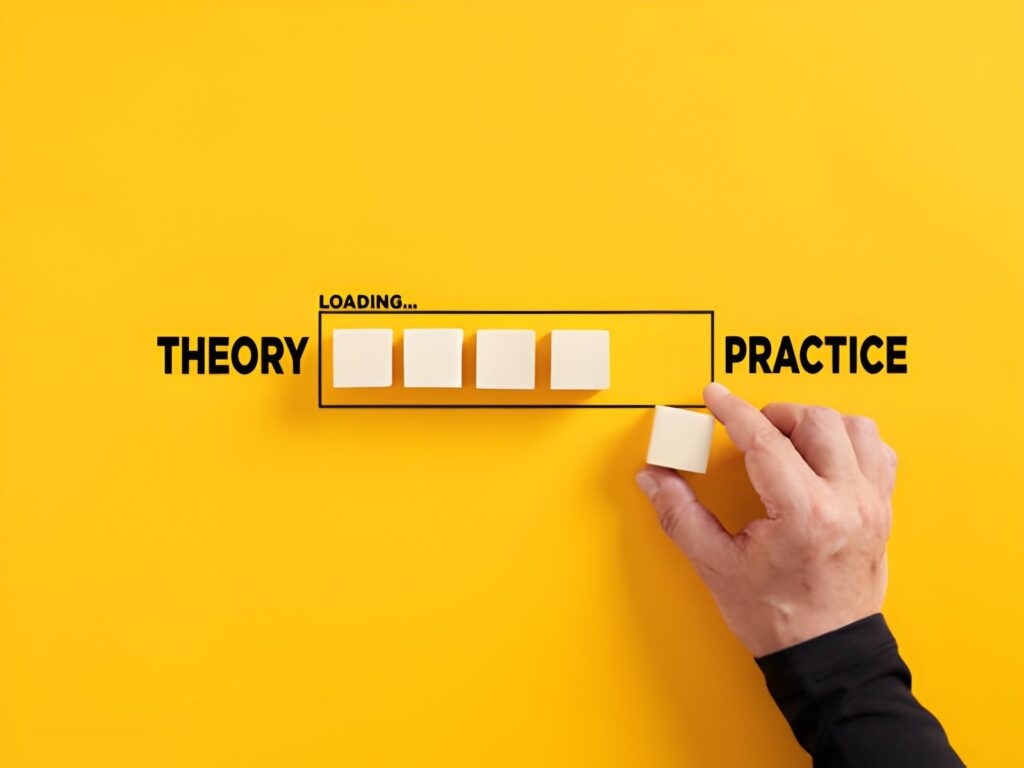
Learning is not just about reading, listening, or watching. While these activities can introduce new ideas, real progress happens when you apply what you know. Practice turns information into skill. Whether you are studying a language, preparing for exams, learning an instrument, building a career skill, or training in a sport, Hubet com consistent and effective practice can dramatically improve learning outcomes.
In this article, we will explore how to improve learning through practice, why practice matters, and which strategies can help you learn faster, remember more, and build lasting confidence.
Why Practice Is Essential for Learning
Practice strengthens the connection between knowledge and action. When you repeat a task, your brain becomes better at recognizing patterns, solving problems, and recalling information. This process helps move knowledge from short-term memory into long-term memory.
For example, reading about how to solve a math problem may help you understand the steps. However, solving multiple problems yourself helps you remember the method and apply it in different situations. The same is true for writing, speaking, coding, driving, or any other skill.
Effective practice also helps you identify mistakes. Mistakes are not signs of failure; they are feedback. Each error shows you what needs more attention, allowing you to adjust your approach and improve.
Set Clear Learning Goals
One of the best ways to improve learning through practice is to set clear goals. Without a goal, practice can become unfocused and less productive. A clear goal gives your practice session direction.
Instead of saying, “I want to get better at English,” choose a specific goal such as, “I will learn and use 10 new vocabulary words today,” or “I will practice speaking for 15 minutes without stopping.” Specific goals are easier to measure and achieve.
Good learning goals should be realistic, measurable, and time-based. Start small and gradually increase the challenge as your skills improve. This keeps you motivated and helps you track progress.
Use Deliberate Practice
Not all practice is equal. Repeating the same easy task again and again may feel comfortable, but it does not always lead to improvement. Deliberate practice means focusing on areas that are challenging and need development.
For example, if you are learning to play guitar, you may enjoy playing songs you already know. However, deliberate practice would involve working on difficult chord changes, timing, or finger placement. If you are studying for a test, it means focusing on the topics you find hardest, not just reviewing the ones you already understand.
Deliberate practice requires attention, effort, and feedback. It may feel uncomfortable at first, but it is one of the most powerful methods for improving learning.
Practice Regularly, Not Occasionally
Consistency is more important than intensity. Practicing for 20 minutes every day is usually more effective than practicing for several hours once a week. Regular practice helps your brain build stronger memory pathways and prevents forgetting.
This technique is known as spaced repetition. It involves reviewing and practicing information at intervals over time. For example, you might review new material after one day, then after three days, then after a week. This method is especially useful for memorizing vocabulary, formulas, definitions, or key concepts.
To build consistency, create a simple practice schedule. Choose a time of day when you are most alert and make practice part of your routine. Even short sessions can lead to major progress when done regularly.
Get Feedback and Make Adjustments
Feedback is essential for effective learning. Without feedback, you may repeat the same mistakes without realizing it. Feedback helps you understand what is working and what needs improvement.
Feedback can come from teachers, coaches, classmates, colleagues, online tools, or even self-assessment. For example, recording yourself speaking can help you notice pronunciation problems. Reviewing your writing can help you find grammar mistakes. Checking answers after practice tests can show which topics need more study.
The key is to use feedback actively. Do not just notice mistakes—correct them. Adjust your strategy and try again. This cycle of practice, feedback, and improvement leads to stronger learning results.
Break Skills Into Smaller Parts
Complex skills can feel overwhelming. A useful practice strategy is to break a skill into smaller parts. This makes learning easier and more manageable.
For example, if you are learning to write essays, you can practice one part at a time: writing introductions, creating thesis statements, organizing paragraphs, using evidence, and writing conclusions. If you are learning a new language, you can separate practice into listening, speaking, reading, writing, grammar, and vocabulary.
Mastering small parts helps you build confidence. Over time, you can combine these parts into a complete skill.
Use Active Recall
Active recall is one of the most effective learning techniques. It means trying to remember information without looking at the answer first. Instead of simply rereading notes, close your book and ask yourself questions.
For example, after studying a chapter, write down everything you remember. Then check your notes to see what you missed. You can also use flashcards, practice quizzes, or question lists.
Active recall forces your brain to retrieve information, which strengthens memory. It is much more effective than passive review because it trains you to access knowledge when you need it.
Apply Learning in Real Situations
Practice becomes more meaningful when you apply learning to real-life situations. Real application helps you understand how knowledge works outside of textbooks or lessons.
If you are learning a language, have conversations with native speakers or write daily journal entries. If you are learning business skills, create a sample project or solve a real workplace problem. If you are learning programming, build a small app or website.
Real-world practice improves problem-solving and builds confidence. It also makes learning more interesting and useful.
Stay Patient and Track Progress
Improvement takes time . Many learners become discouraged when they do not see quick results. However, learning through practice is a gradual process. Small improvements add up.
Tracking your progress can help you stay motivated. Keep a learning journal, use a checklist, or record your practice sessions. Write down what you practiced, what improved, and what still needs work.
When you look back after several weeks or months, you will see how much progress you have made. This can encourage you to keep going.
Conclusion: Practice Makes Learning Last
The best way to improve learning through practice is to be consistent, focused, and intentional. Set clear goals, use deliberate practice, get feedback, review regularly, and apply your skills in real situations. Instead of practicing only when you feel motivated, make it a habit.
Practice does more than help you remember information. It builds confidence, develops problem-solving skills, Nổ Hũ Super ACE and turns knowledge into real ability. With the right practice strategies, anyone can improve learning and achieve long-term success.